
Nick Selembo, the Hydrant Doctor®
Nick Selembo, the Hydrant Doctor®, has over 30 years of experience, with over 50,000 hours in the field, specializing in fire hydrant maintenance and repair since 1994. While the official name of his company is "Commercial Fire Hydrant Service," Nick is well known as The Hydrant Doctor® for his ability to turn sick fire hydrants into healthy ones in no time.
After retiring from field service, today The Hydrant Doctor® offers nationwide consulting and virtual training services for any personnel or agencies charged with the responsibility of maintaining, replacing, or repairing fire hydrants.
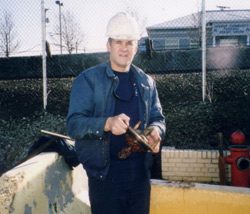
At Hydrant Doctor®, we offer the best in consulting services and virtual training related to:
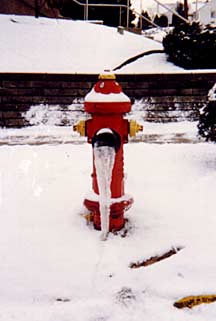
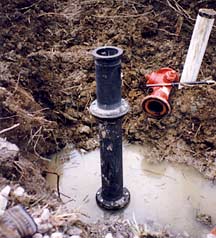
- Fire hydrant maintenance and repair, including repairs to leaking, damaged, and frozen hydrants.
- New installations and raising hydrants due to changes in grade.
- Inspections and assessments of fire hydrants.
- Water flow tests
- Preventative maintenance contracts (for less than the price of a cup of coffee per day).
- Rebuilding main valves.
- Experienced repair of Post Indicator Valves (PIV) and Gate Valves.
- Fire hydrant repair, consulting, and training services.
- Parts for Post Indicator Valves. Hydrant Doctor® offers PIV parts on hand for a variety of manufactures. Inquire regarding other manufacturers.
- Valve Exercise Program. Keeps your water line valves fit and ready to go.
Working fire hydrants save lives. Hydrant Doctor® can save you thousands of dollars over hydrant replacement and fines or damage resulting from neglected fire hydrants.
Please Contact Us to learn more about the service Hydrant Doctor® can provide to your business or community.
Why Choose Hydrant Doctor® for Your Virtual Training and Consulting Needs?
Nicholas Selembo has over 30 Years of Specialized Experience and 50,000 hours of troubleshooting fire hydrant maintenance issues.
With a wealth of knowledge in hydrant repair, with some systems some dating back 90 years, the Hydrant Doctor® brings unparalleled expertise to your team.
Nationwide Reach: Our virtual services extend across the United States, making expert training and consulting accessible to all.
Quality and Safety First: Our methods and advice are not just about maintaining hydrants; they are about ensuring the safety and readiness of your emergency response systems.
Contact Us today to learn more!

I treat every customer as if they were the first customer I ever had. Whether you have one hydrant that needs attention or 50, every customer is equal in this: you need your fire hydrants to be reliable and ready to go.
Nick Selembo
The Hydrant Doctor®
The key focus of the Hydrant Doctor® 's training remains with good preventative maintenance plans for fire hydrants. There are few things to which we pay less attention than the common fire hydrant, but even fewer upon which we depend so completely in the event of a devastating fire.
The History of Fire Hydrants
Before the modern fire hydrant, a less elegant fire suppression system was to bury a wooden water pipe (often no more than a hollowed out log) along the streets. In the event of a fire, teams would dig down to the buried wooden water main and auger a hole in the pipe. Up would come the water. When they were finished, they would need to plug the pipe to stem the flow. Hence the origin of the term "fire plug."
To learn more about the history and technology behind fire hydrants, please read A Brief History of the Fire Hydrant on the firehydrant.org website.